Understanding Garage Door Springs and Their Role
Garage door springs are essential components of your garage door's counterbalance system. They help offset the heavy weight of the door, making it manageable to open and close manually or with an automatic garage door opener. There are two primary types of springs used in overhead door systems: torsion springs and extension springs.
Torsion springs are mounted above the door on a torsion shaft and wind to generate torque. They work in tandem with the spring assembly, cable drums, and the overall door torsion mechanism to maintain proper door tension and balance. Extension springs, in contrast, stretch along the sides of the door and rely on spring anchors attached to the frame to provide spring extension force.
Over time, springs experience wear and spring breakage risks due to repeated use, environmental factors, and lack of maintenance. Understanding how these springs function within your garage hardware and counterbalance system helps you appreciate the importance of regular adjustments and inspections.
Types of Garage Door Springs
The two main types of garage door springs each have specific characteristics:
- Torsion Springs vs Extension Springs: Torsion springs provide a smoother, quieter counterbalance by twisting on a torsion shaft, whereas extension springs create tension by stretching along the door’s track. Spring Lifetime: Torsion springs generally have a longer lifespan compared to extension springs but may require more precise spring tension adjustment procedures. Spring Replacement: When springs break or become irreparably worn, replacement is necessary. Knowing which type you have will influence the replacement and adjustment methods.
Why Adjusting Spring Tension is Important
Correct spring tension is vital for optimal garage door balance and smooth garage door operation. Springs that are too tight or too loose can cause door tension issues, leading to uneven door movement, misalignment, or even damage to the garage door panel or track. Proper adjustment ensures that the garage door aligns correctly and functions safely, reducing wear on other garage door components such as the door rollers and opener motor.
Regular garage door maintenance, including spring tension adjustment, extends the life of your door’s components and improves safety during operation. An unbalanced door places excessive strain on the garage door opener and can cause premature motor failure or opener malfunction.
Signs Your Garage Door Springs Need Adjustment
Watch for these common signs indicating it’s time to check or adjust your garage door spring tension:
- Garage Door Sagging: If the door appears uneven or sags on one side, spring tension might be off. Uneven Door Movement: The door may move jerkily or hesitate during opening or closing cycles. Noisy Springs: Loud creaking or popping sounds during door operation often indicate spring wear or improper tension. Broken Spring: A spring that has snapped requires immediate replacement and adjustment. Door Rollers Issues: Excessive pressure on rollers or misaligned tracks often result from incorrect spring tension. Garage Door Seal Problems: Gaps or poor sealing at the bottom can be caused by improper door tension affecting alignment.
Tools and Safety Precautions for Adjusting Garage Door Spring Tension
Adjusting garage door spring tension demands specialised tools and strict adherence to safety precautions, due to the high torque and stored energy in garage door springs.
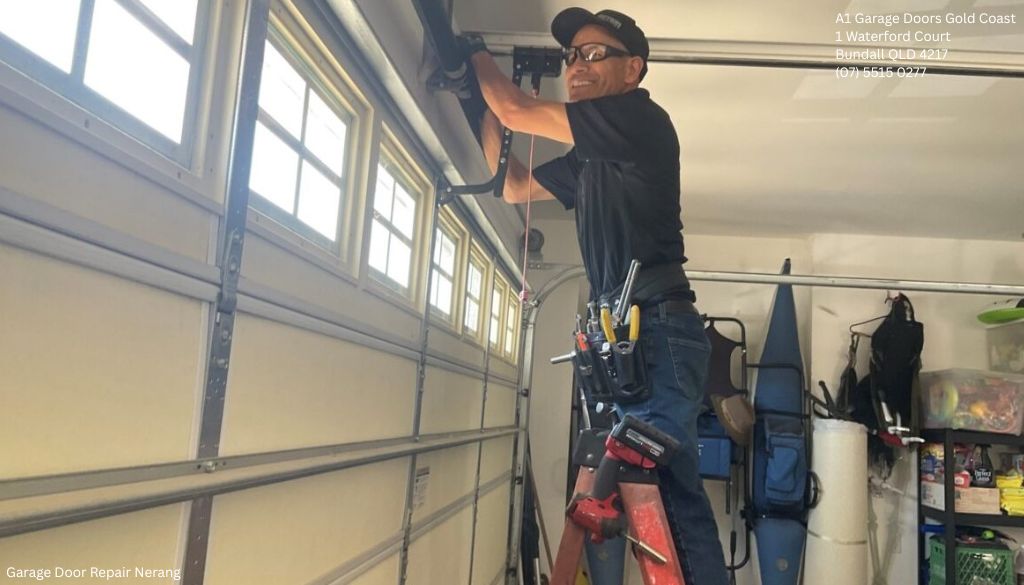
Essential tools include winding bars specifically designed for spring winding, which fit into the winding cone of torsion springs. The cable drum interacts with the garage door cable to ensure balanced lifting. Wearing safety gloves and glasses protects you from spring breakage or loose debris.
Other equipment such as a sturdy ladder, locking pliers, and safety cables (especially for extension springs) are vital for a safe garage door service process. Regular garage door inspection before adjustment helps identify potential hazards.
Remember, spring lubrication can reduce friction and extend spring lifetime but should only be applied after careful inspection.
Step-by-Step Guide to Adjusting Garage Door Spring Tension
Preparing Your Garage Door for Adjustment
Before adjusting springs, prepare your garage door setup to minimise risks:
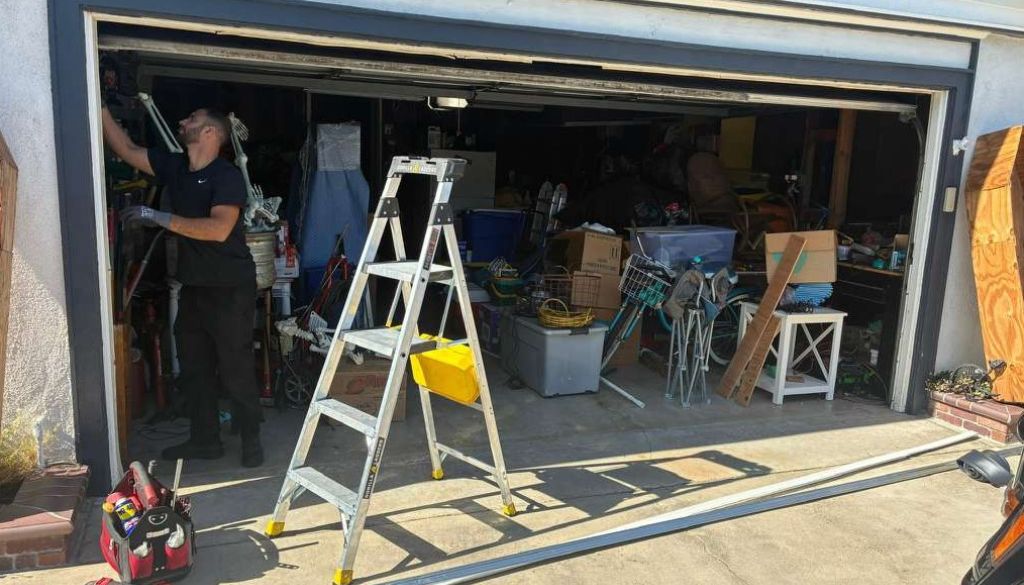
- Engage the garage door lock to prevent accidental movement. Ensure the garage door frame and track alignment are intact to avoid interference. Check that door rollers move freely without obstruction. Disconnect the automatic garage door opener to work manually.
How to Adjust Torsion Springs Safely
Follow these essential steps when adjusting torsion springs:
Insert winding bars firmly into the winding cone’s holes. Never substitute with screwdrivers or other tools. Loosen the set screws on the winding cone using a wrench. Carefully and incrementally wind the spring using the winding bars, increasing or decreasing spring torque by quarter turns. After each turn, securely tighten the set screws. Test the door’s balance and repeat the adjustment if necessary.Maintain control of the winding bars at all times to prevent injuries. The counterbalance system depends heavily on correct torque applied through the winding cone and torsion shaft for safe operation.
How to Adjust Extension Springs
Extension springs adjustment generally involves repositioning the spring anchor or replacing stretched springs:
Unhook the safety cable that runs through the spring to secure it. Use pliers or a wrench to adjust the spring anchor position on the garage door frame. If the spring has overstretched or shows signs of wear, replacement is recommended instead of adjusting extension length. Reattach the safety cable and check that the springs evenly support the door weight.Common Issues and Troubleshooting During Spring Adjustment
Several problems may arise while adjusting spring tension, including:
- Spring Breakage: Happens when springs are old or improperly handled during winding. Spring Wear: Visible rust, gaps, or deformation signal the need for replacement. Garage Door Panel Damage: Misadjusted springs can lead to door panel bending or warping. Garage Door Alignment Issues: Faulty tension causes the door to stick or derail from its track. Spring Torque Problems: Incorrect torque causes jerky door motion or excessive noise.
Regular inspection allows early detection of these issues, enabling timely repairs garage door spring replacement goldcoastgaragedoorrepair.com.au and avoiding costly garage door repair services.
When to Call a Professional Garage Door Technician
While many DIY enthusiasts can manage minor spring tension adjustments, certain situations demand professional intervention, such as:
- Broken or severely worn springs requiring replacement. Complex torsion spring systems needing precision calibration. Automatic garage door opener issues related to spring tension imbalance. Concerns about garage door safety or if you lack appropriate tools and experience.
A certified garage door technician ensures compliance with garage door safety standards and prevents injury risks inherent in spring repairs.
Maintaining Your Garage Door Springs for Longevity
To prolong spring lifetime and maintain garage door functionality, regularly perform the following maintenance tips:
- Inspect springs every six months for rust, wear, or cracks. Apply appropriate spring lubrication annually to reduce friction and corrosion. Check garage door alignment and rollers to prevent uneven spring strain. Keep the garage door clean and free from debris that could impact hardware performance. Schedule professional garage door inspections as part of routine maintenance.
The Risks of Incorrect Garage Door Spring Tension Adjustment
Improper spring tension adjustment poses serious risks, including:
- Garage Door Injury Risk: Springs store immense energy; incorrect handling can cause sudden release resulting in severe injury. Spring Breakage Dangers: Over-winding or under-winding increases chances of spring snapping during operation. Improper Spring Tension Impact: Can lead to garage door malfunction or damage to other garage hardware components.
Understanding these risks emphasises why safety precautions and accurate techniques are paramount.
How Garage Door Spring Tension Affects Garage Door Opener Performance
The spring tension directly influences how the garage door opener motor performs. If springs are too loose, the motor must work harder to lift the door, increasing motor strain and shortening its lifespan. Conversely, overly tight springs may cause the door to move unpredictably, triggering automatic safety sensors to halt operation.
Optimal spring tension ensures smooth automatic garage door alignment, efficient motor operation, and reliable sensor function, improving both convenience and safety.
Environmental Factors Affecting Garage Door Springs
Several environmental influences impact garage door springs and their tension stability:
- Spring Corrosion: Humidity and moisture cause rust which weakens steel springs over time. Temperature Effects: Extreme cold can make springs brittle, while heat causes expansion affecting spring tension. Garage Door Weather Sealing Impact: Poor sealing allows dust and debris to accumulate on springs, accelerating wear.
Regular garage door inspection and maintenance can mitigate environmental damage, preserving spring functionality.
FAQ: Garage Door Spring Tension Adjustment
How often should I adjust garage door spring tension?
Generally, spring tension should be checked and adjusted annually or if you notice any operational issues such as uneven movement or noise.
Can I safely adjust my garage door springs by myself?
Minor adjustments on extension springs might be manageable for experienced DIYers. However, torsion spring adjustments are risky and best left to professionals unless you have the correct tools and knowledge.
What tools do I need to adjust garage door spring tension?
You will need specialised winding bars, a wrench, safety gloves, safety glasses, and possibly pliers, depending on the spring type.
What are the signs that my garage door spring tension is off?
Uneven door movement, sagging, loud spring noises, difficulty opening or closing the door, and visible spring wear are common signs of incorrect tension.
What is the difference between torsion spring and extension spring adjustment?
Torsion springs require winding bars to adjust the winding cone on the torsion shaft, whereas extension springs are adjusted by repositioning the spring anchor or replacing the spring.
How can I tell if my garage door springs need replacement instead of adjustment?
If springs show signs of rust, cracks, breaks, or if adjustments fail to restore proper door balance, replacement is necessary.
What safety precautions should I take when adjusting garage door springs?
Always use the correct winding bars, wear protective gear, disconnect the door opener, work slowly and methodically, and never substitute tools or bypass safety mechanisms.
Our Sponsor
A1 Garage Doors Gold Coast
A1 Garage Doors Gold Coast is a Bundall-based garage door specialist serving the southern Gold Coast and surrounding suburbs with installation, repair, maintenance, and emergency garage door services. The company specializes in sectional doors, roller doors, garage door openers, spring and cable replacement, opener motor repair, smart-enabled installations, and 24/7 emergency call-outs across Robina, Burleigh Heads, Surfers Paradise, Nerang, Coomera, and the wider Gold Coast region.
Address:
1 Waterford Court,
Bundall,
QLD
4217,
Australia
Phone: (07) 5515 0277
Business Hours:
- Open 24/7 — Including After-Hours and Emergency Call-Outs
Follow Us:
How does spring tension affect garage door opener operation?
Balanced spring tension reduces strain on the opener’s motor, ensures smooth door movement, and prevents premature opener failure or sensor malfunctions.
In conclusion, garage door spring tension adjustment is an essential skill for maintaining the safety and functionality of your garage door. While some homeowners can perform minor adjustments with the right tools and precautions, hiring a professional technician is often the safest choice, especially for torsion springs. Regular inspection, careful maintenance, and understanding the mechanics behind your garage door’s spring assembly will help extend the lifetime of your door system and prevent costly repairs. Stay safe, follow proper procedures, and keep your garage door operating smoothly.